Licensed & Insured
Sonoma County Local
Free Estimates
An honest, plain-English guide to attic insulation for Sonoma County homeowners. Sutter Roofing Systems is a licensed roofing contractor (CSLB #1137426) and is not licensed to install attic insulation. We do strongly recommend it for most homes — and we’re happy to refer you to top-quality, licensed local insulation contractors we’ve worked alongside since 1986.
Sutter Roofing Systems holds California Contractors State License Board (CSLB) license #1137426 for roofing work. We do not hold the C-2 Insulation & Acoustical contractor classification, so we do not install, sell, or perform attic insulation work. The information on this page is educational. When it’s time to actually do the work, please hire a properly licensed insulation contractor — and if you’d like, we can refer you to one we trust.
Your attic is the single biggest temperature battleground in your home. In Sonoma County, summer attic temperatures can climb past 140°F, and winter nights routinely drop into the 30s. Without proper insulation, all of that heat — and all of that cold — pushes straight into your living space. You pay for it on every utility bill, and you feel it in every uncomfortable room.
Good attic insulation does four things at once. It keeps winter heat inside your home instead of letting it rise straight out through the ceiling. It keeps summer heat from radiating down into your bedrooms and hallways, reducing the load on your air conditioner. It helps manage moisture so your roof deck and framing stay dry. And it stabilizes room-to-room temperatures so the house actually feels comfortable, not just heated or cooled.
Homeowners in Santa Rosa, Sebastopol, Healdsburg, and Petaluma routinely see 15–30% reductions in heating and cooling costs after upgrading undersized or aged attic insulation. On a $250 monthly utility bill, that can pay the work back in three to five years — and the comfort improvement is immediate. That’s why we recommend looking at it; it’s also why we send so many of our roofing customers to a qualified insulation contractor.
There is no single best insulation. The right product depends on your attic geometry, existing conditions, budget, and how you use the space above your ceiling. These are the three systems most Sonoma County homeowners will see quoted by a licensed insulation contractor.
Cellulose is the workhorse for most retrofit projects. It’s made from recycled paper fiber treated for fire and pest resistance, and it’s blown in loose to fill every cavity, corner, and framing gap. It handles irregular attic geometry better than any batt product, delivers a strong R-3.5 per inch, and is one of the most cost-effective ways to reach Title 24’s R-38 target on an existing home. Cellulose also dampens sound between floors — a nice bonus homeowners notice immediately.
Fiberglass batts work well in new construction and additions where the joist bays are clean, evenly spaced, and accessible. Blown-in fiberglass delivers similar benefits to cellulose in a retrofit, with slightly better moisture tolerance and a lighter weight per square foot. Fiberglass is non-combustible, will not settle significantly over time, and is a solid choice when you want a long service life with minimal maintenance.
Closed-cell spray foam delivers the highest R-value per inch (roughly R-6 to R-7) and creates an air barrier in the same pass. It’s the right choice for cathedralized attics, homes with undersized rafter bays, conditioned attic assemblies, and spaces where air sealing and insulation need to happen together. Spray foam costs more per square foot, but for the right application it outperforms every other option and can allow mechanicals and ducts to live in conditioned space.
Sonoma County sits in California Climate Zone 2. Under Title 24 — California’s energy code — new construction and additions must meet a minimum of R-38 for attic insulation. For retrofits, R-38 is the target most insulation contractors will recommend because it optimizes the comfort-to-cost ratio for our climate. Anything less leaves real energy dollars on the table; anything more generally produces diminishing returns.
In practical terms, R-38 translates to roughly 10–12 inches of blown-in cellulose, 12–14 inches of blown-in fiberglass, or about 6 inches of closed-cell spray foam. Many Sonoma County homes built before 1990 have somewhere between R-11 and R-19 in the attic — less than half of what current code requires — which is why upgrading almost always pays off.
Insulation only works if the air sealing underneath it is done right. That’s the step shortcut crews skip — and it’s the reason “new” insulation sometimes delivers disappointing results. When you’re evaluating a licensed insulation contractor, look for a scope that includes:
Even though we don’t install attic insulation ourselves, the roof system, attic ventilation, and insulation all have to work together. Getting one wrong compromises the other two. As your roofing contractor, here’s what we do handle:
If you ask, we’ll happily document attic conditions during a roofing inspection and pass that report to the licensed insulation contractor you choose.
If you’d like a referral, just ask. We maintain relationships with several licensed, insured, locally owned insulation contractors across Sonoma, Napa, and Marin County. We don’t take referral fees or kickbacks — these are simply contractors whose work we’ve seen on our own roofing jobs and trust enough to send our customers to.
To request a referral:
Tell us your address, what you’re trying to accomplish (whole-attic upgrade, removal of contaminated insulation, new construction, etc.), and we’ll pass along contact information for one or more contractors that fit. The decision — and the contract — is always yours.
We’ve been roofing Sonoma County homes since 1986. Our reputation depends on telling homeowners the truth, including the truth about what we’re not licensed to do.
Three proven systems, each with a best-fit application. A licensed insulation contractor will recommend the right one for your attic.
Recycled paper fiber blown loose to fill every cavity. Best value for retrofits.
Batt or blown-in. Non-combustible, lightweight, and long-lasting.
Closed-cell foam that insulates and air-seals in one pass. Premium option.
Proper attic venting works hand-in-hand with insulation.
A reference checklist for the work your licensed insulation contractor should do.
Existing R-value measured, ventilation and moisture checked, attic photographed. A written summary should land in your hands before any work is quoted.
Before any insulation goes in, top plates, penetrations, recessed lights, and attic hatches get sealed. This is where the biggest efficiency gains come from.
Intake and exhaust ventilation should be verified balanced so the new insulation stays dry and the roof deck stays healthy. (We can handle this side.)
Cellulose, fiberglass, or spray foam installed to the target R-value for Climate Zone 2 with depth markers placed for verification.
Photos of the finished job, product documentation for rebates and inspections, and the home left clean.
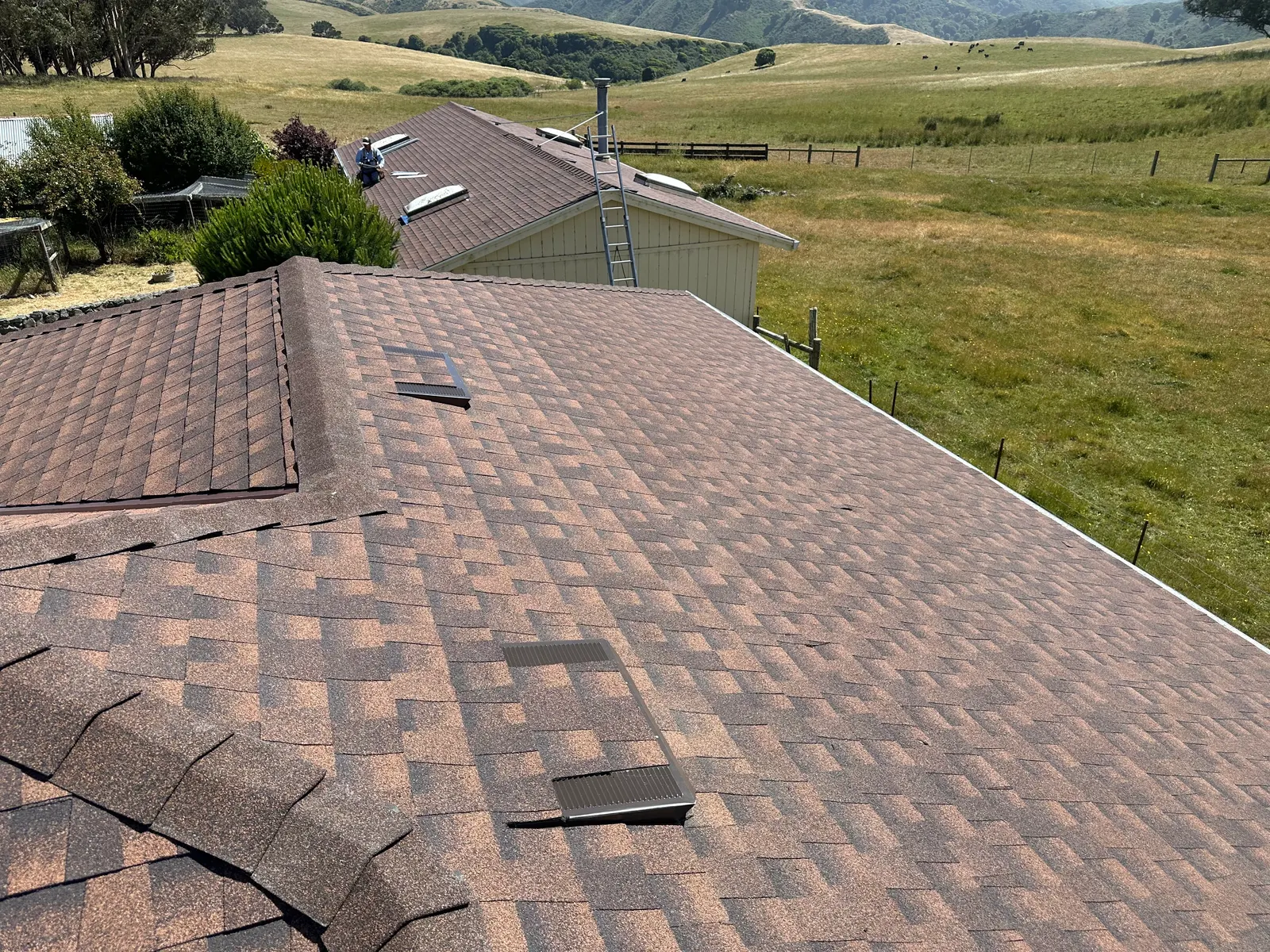
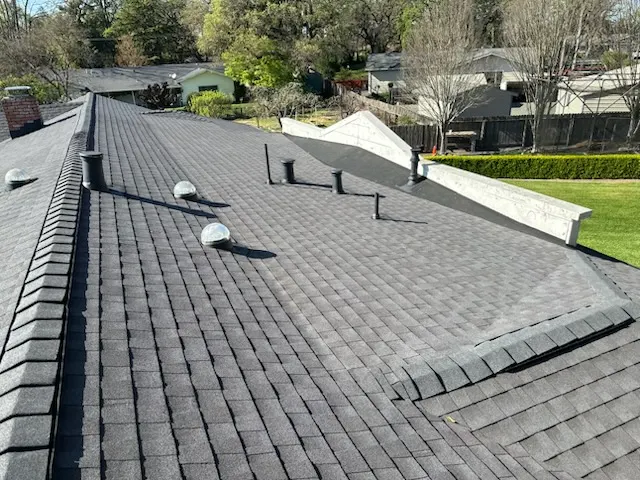
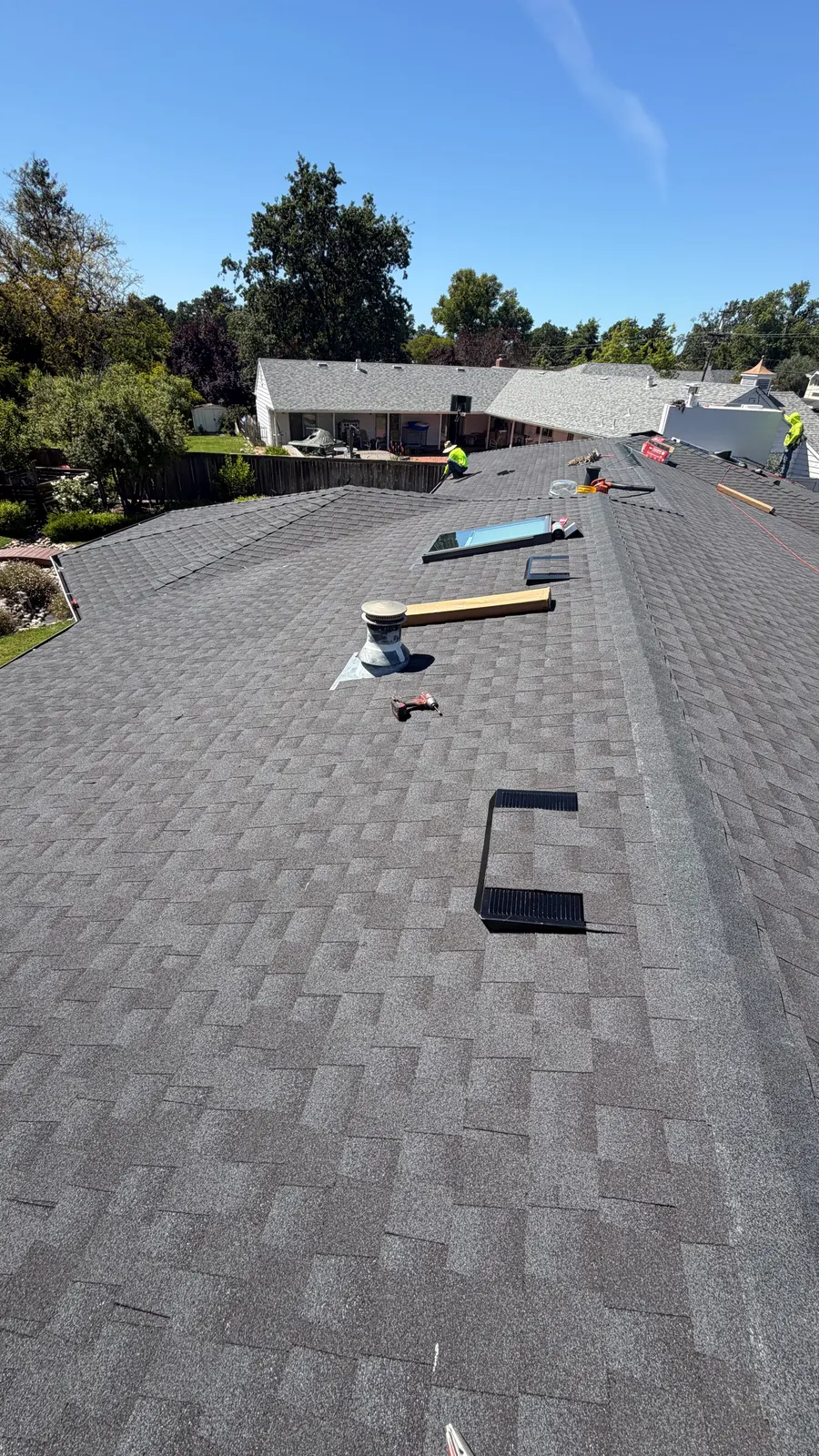
From worn-out tear-offs to finished roofs built to last — genuine Sutter Roofing projects across Sonoma County.
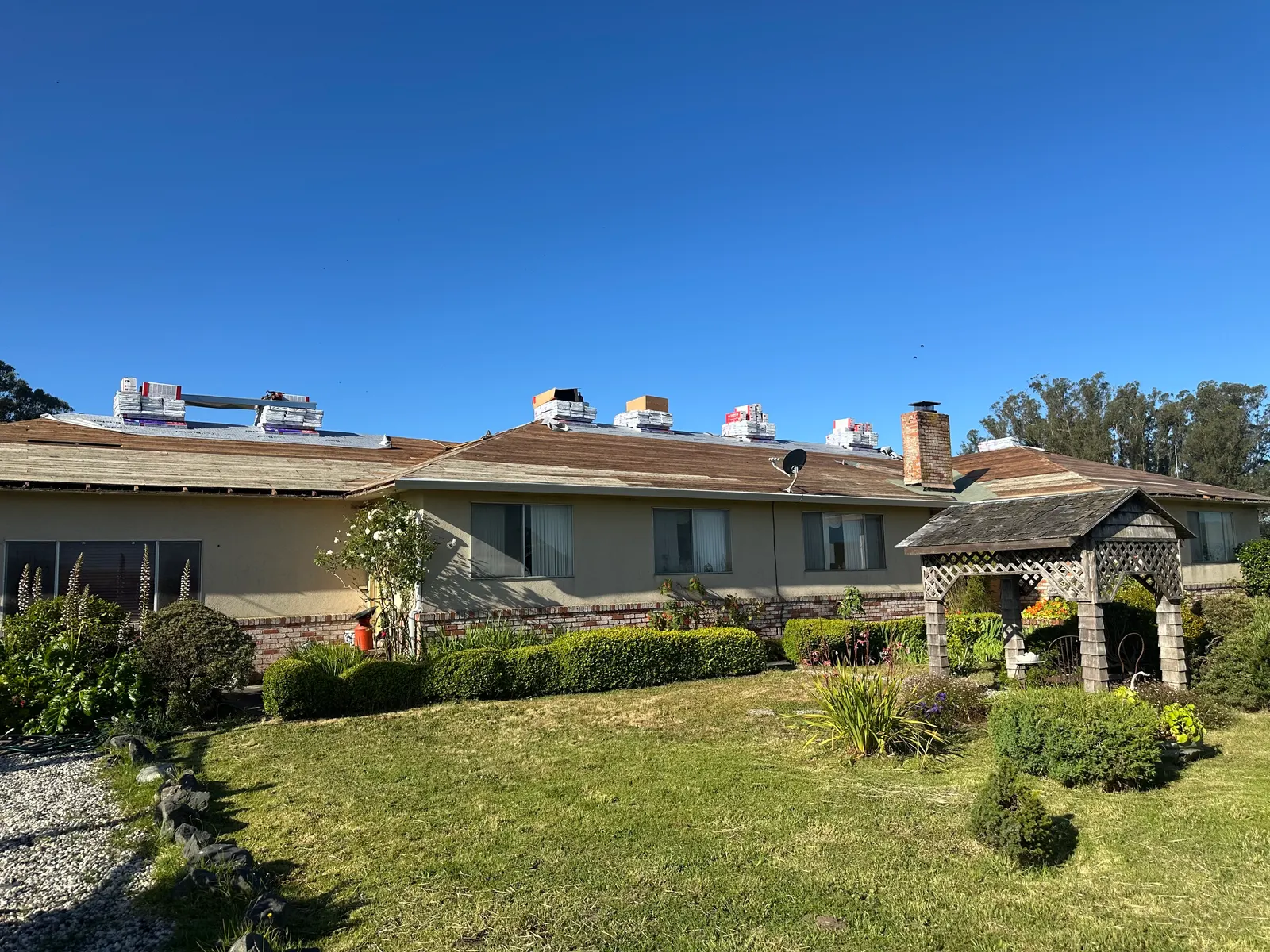 Before
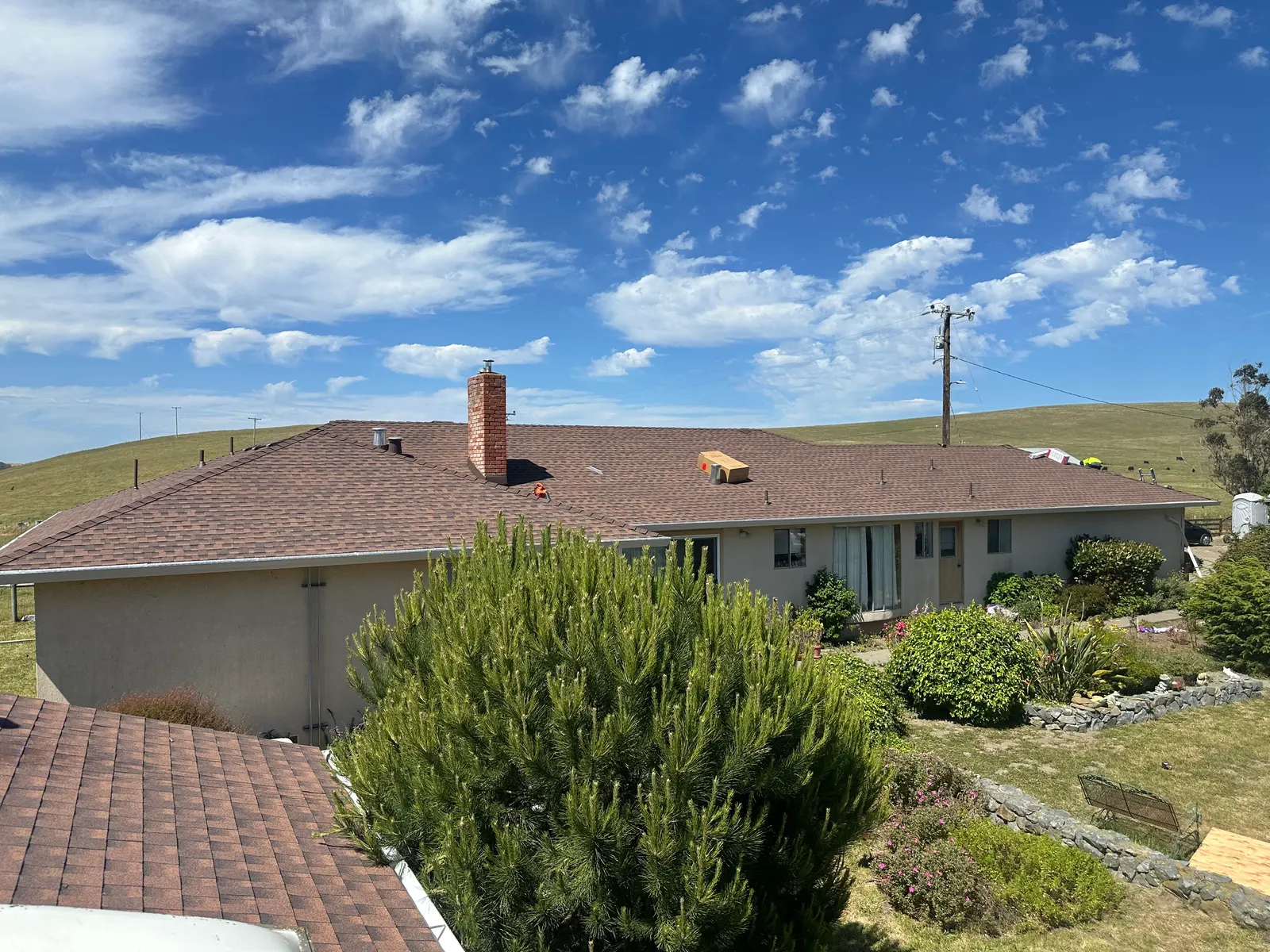 After
After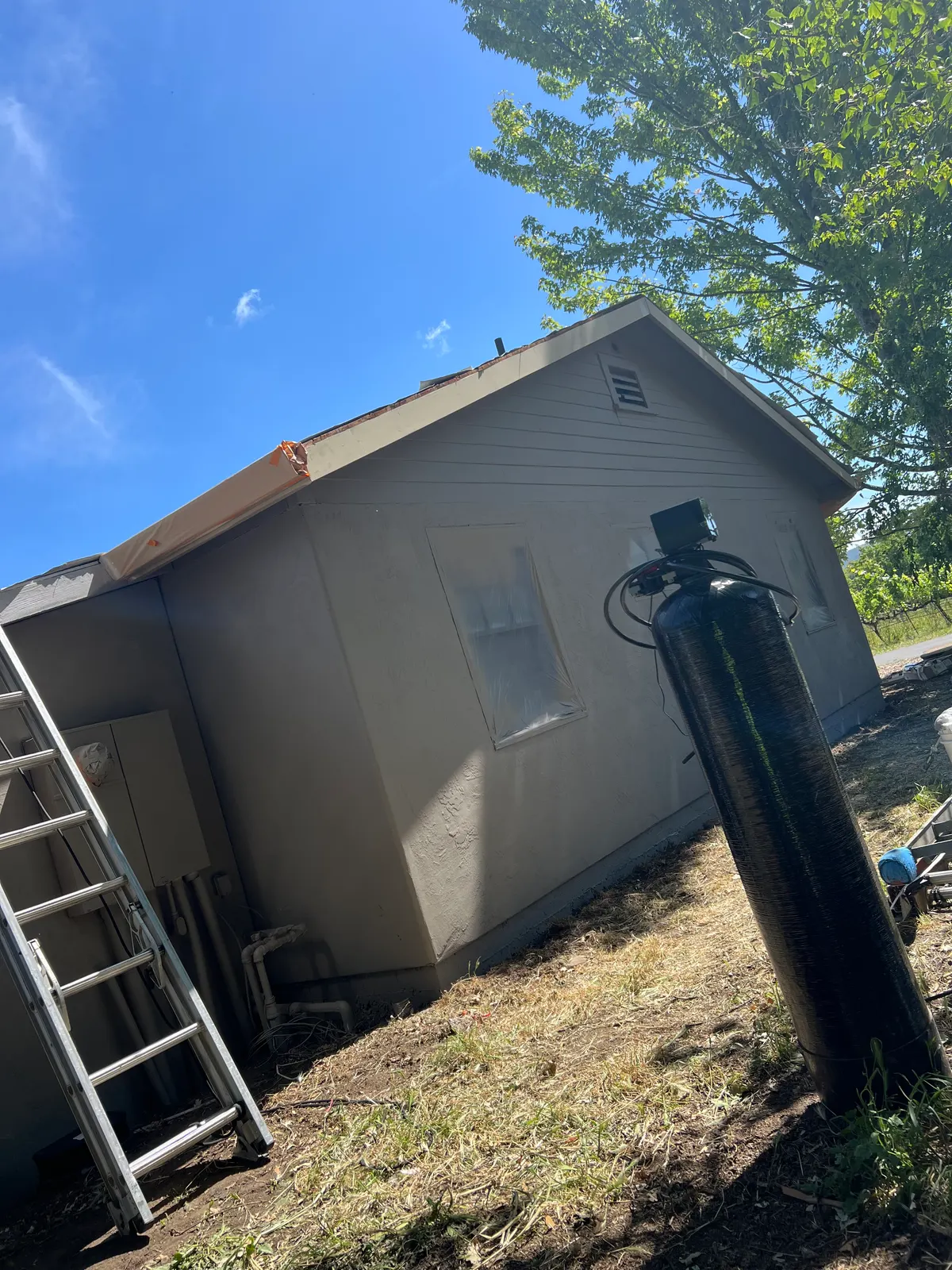 Before
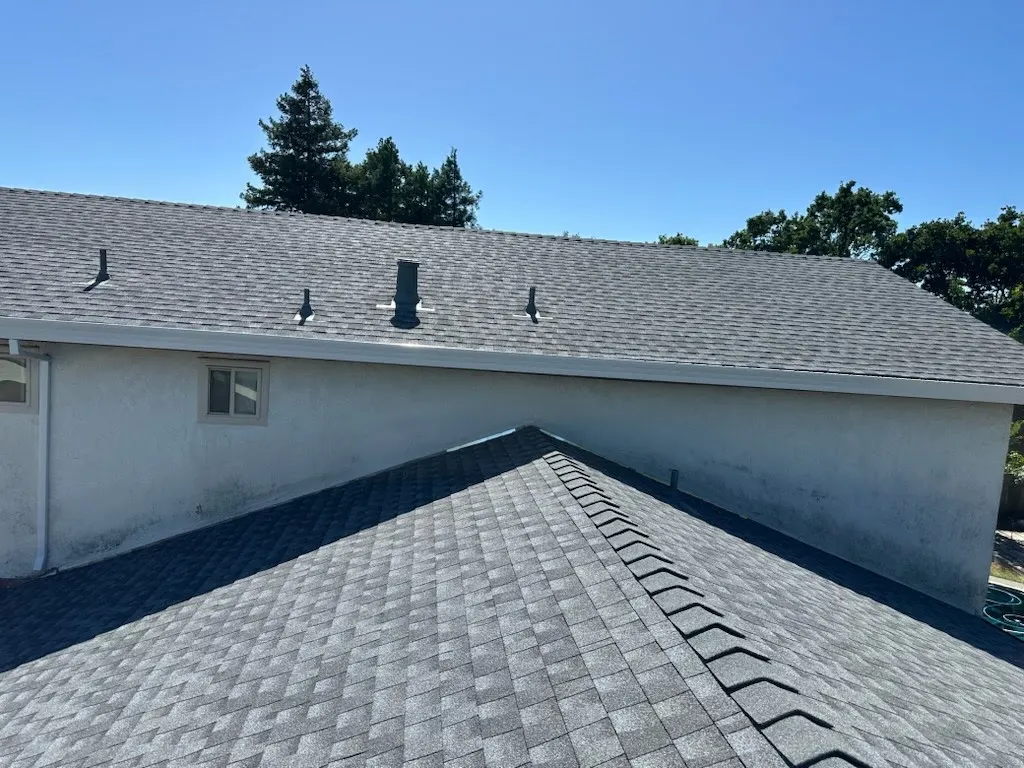 After
After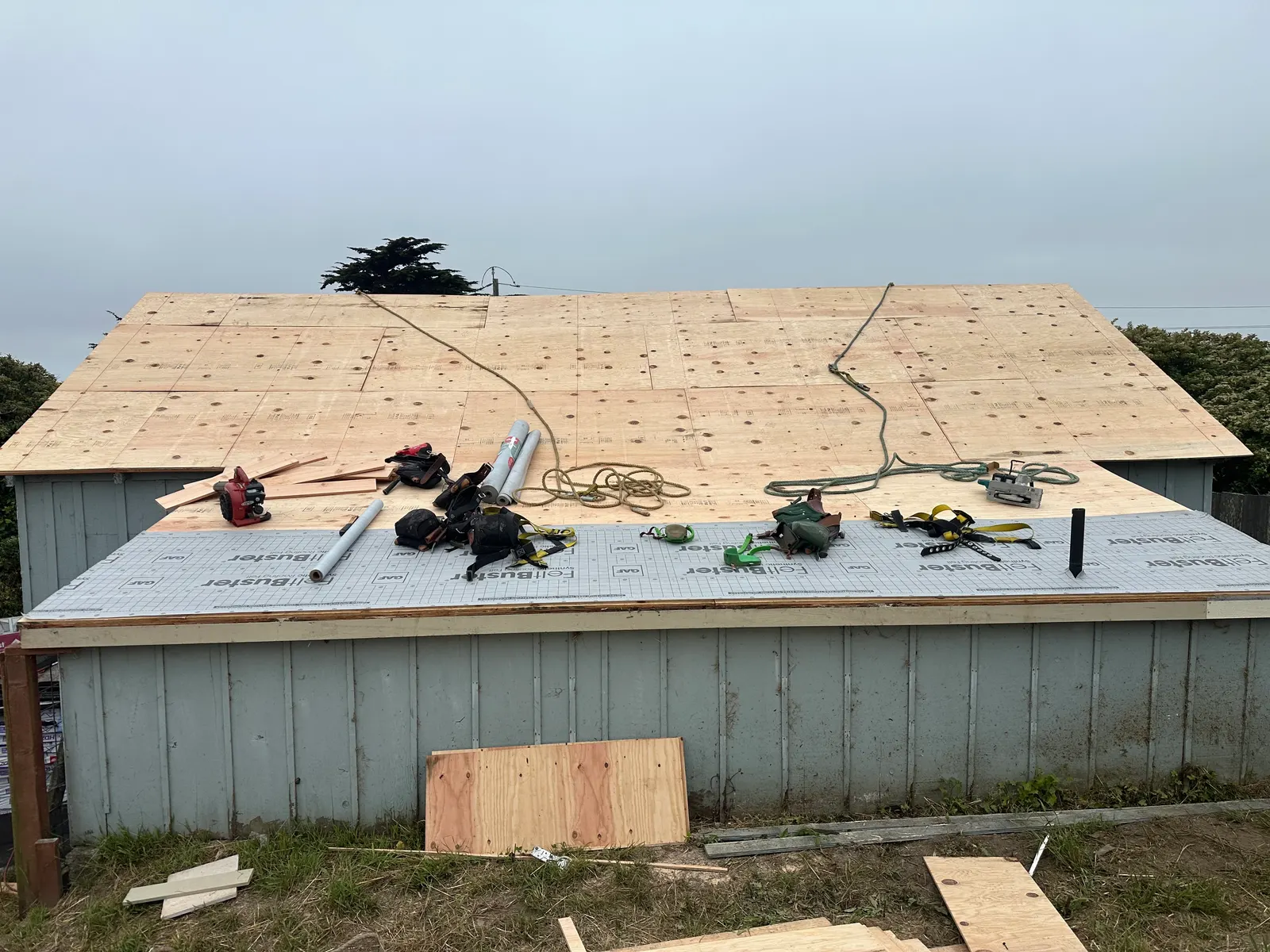 Before
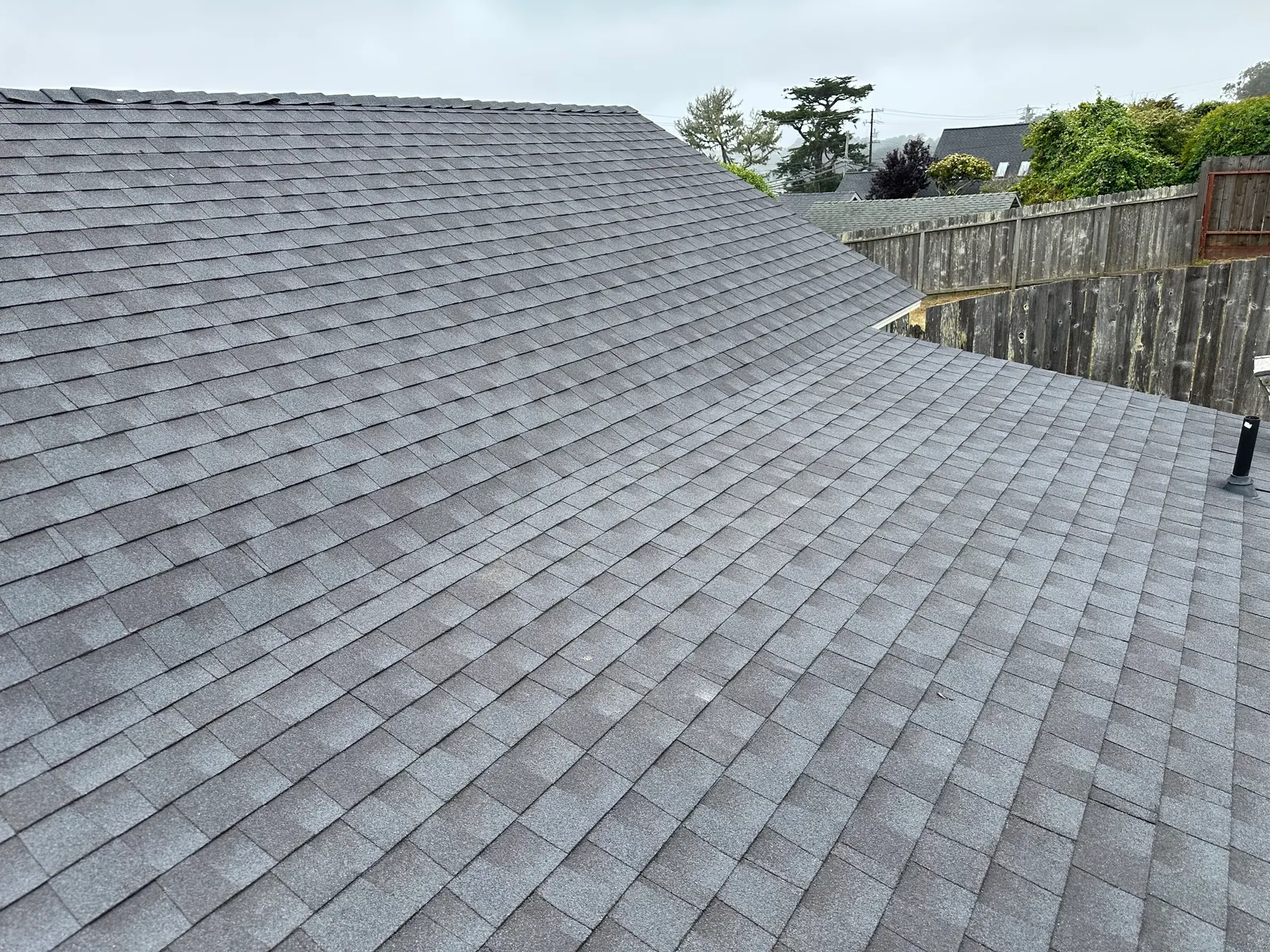 After
After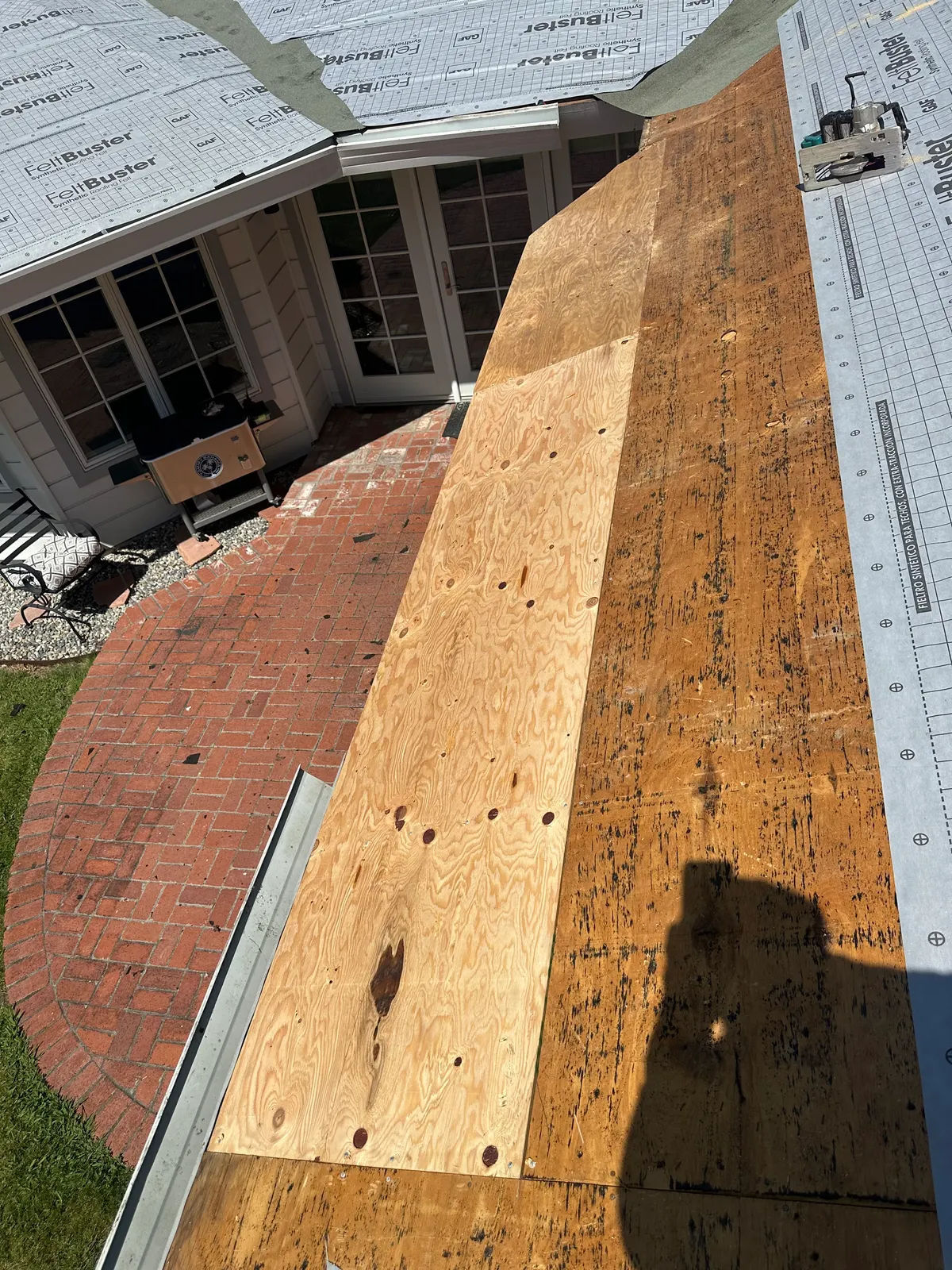 Before
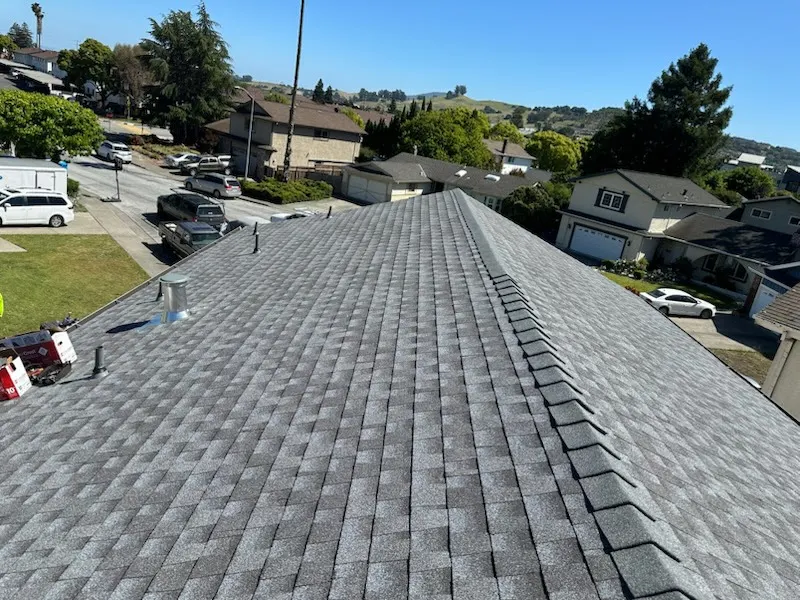 After
AfterNo. Sutter Roofing Systems is a licensed roofing contractor (CSLB #1137426) and is not licensed to install attic insulation. We strongly recommend attic insulation for most Sonoma County homes, and we maintain a short list of trusted, licensed local insulation contractors we’re happy to refer you to.
Call us at (707) 829-5050 or use the contact form. Tell us your address and roughly what you’re trying to accomplish, and we’ll pass along contact information for one or more qualified local attic insulation contractors we’ve worked alongside on Sonoma County projects. We don’t take referral fees.
Rising energy bills, uneven room temperatures, drafts, rodent activity, water staining, visibly compressed or thin insulation, and homes built before 1990 with original insulation are all common indicators that an attic insulation evaluation is worthwhile.
Yes. PG&E, BayREN, and the federal Energy Efficient Home Improvement Credit (25C) all offer rebates or tax credits for qualifying attic insulation upgrades in Sonoma County. The licensed insulation contractor you hire can walk you through current programs.
Sonoma County falls in California Climate Zone 2. Title 24 requires a minimum of R-38 for attic insulation in new construction and additions. R-38 is also the target most retrofit projects target to maximize energy savings in our climate.
We don’t install attic insulation, but we know who does it well. Ask us — there’s no obligation, no fee, and no pressure.
Certified & Accredited