
By Nate Sutter, Sutter Roofing Systems
As homeowners in Sonoma County consider the transition to solar energy, understanding the compatibility of their roofs with solar panel installations becomes crucial. This article delves into the various factors that determine whether a roof can effectively support solar panels, including the types of roofing materials, structural integrity, and local regulations. By exploring these elements, homeowners can make informed decisions about their solar energy investments. The guide will cover essential topics such as the best roof types and materials, the impact of roof pitch, and the importance of structural integrity. Additionally, we will discuss how Sutter Roofing Systems can assist in ensuring your roof is ready for solar panel installation.
Best Roof Types and Materials
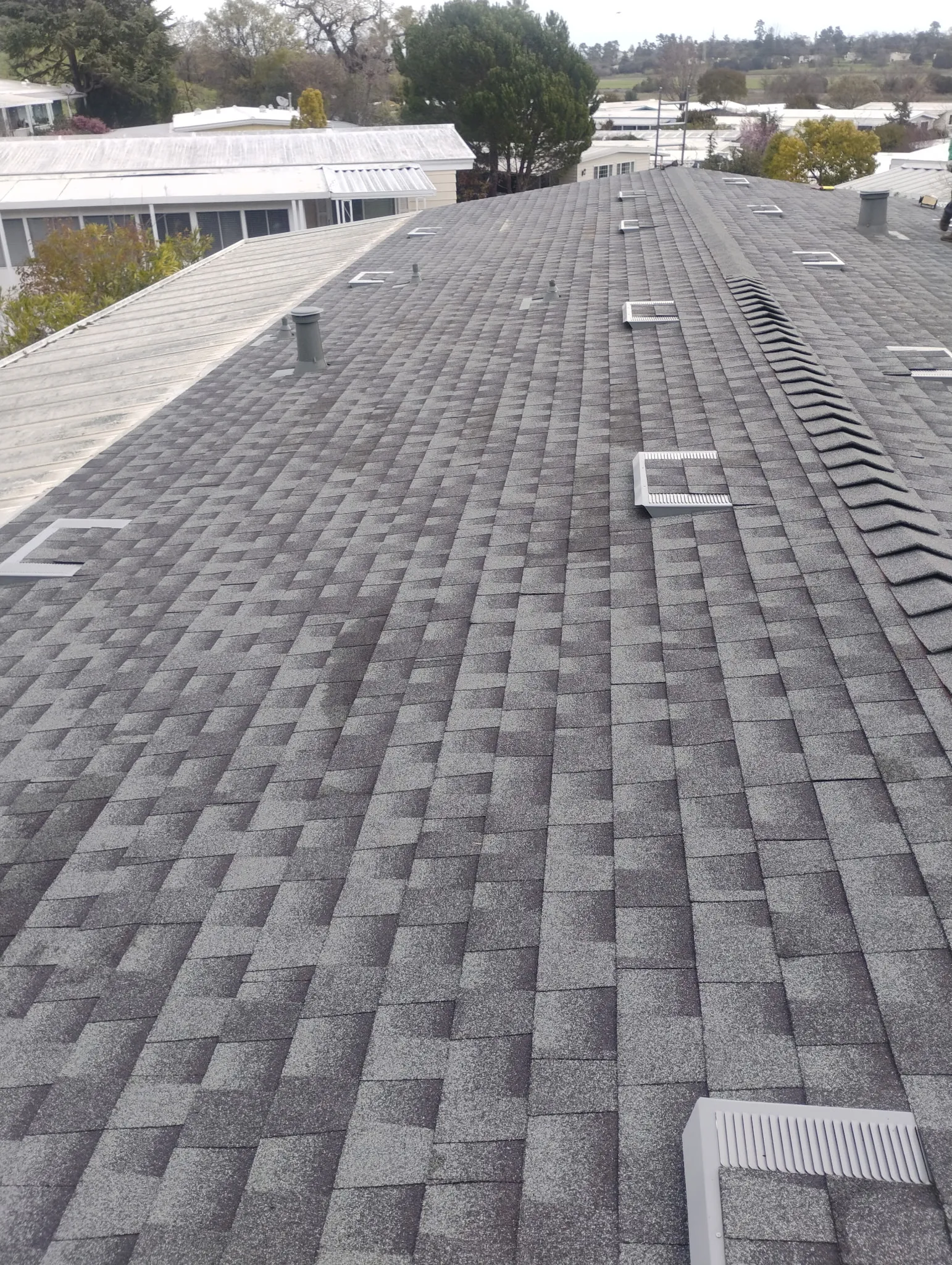
When it comes to solar panel installation, certain roofing materials are more compatible than others. The best roof types for solar panels include metal roofing, tile roofing, and asphalt shingles. Each of these materials offers unique advantages that can enhance the efficiency and longevity of solar energy systems.
| Roof Type | Advantages | Structural Considerations |
|---|---|---|
| Metal Roofing | Durable, lightweight, and excellent for solar | Requires proper mounting to ensure stability |
| Tile Roofing | Long-lasting and aesthetically pleasing | May need reinforcement due to weight |
| Asphalt Shingles | Cost-effective and widely used | Generally suitable but may require inspection |
Sutter Roofing Systems specializes in roof inspections to assess compatibility for solar panel installations. Their expertise ensures that homeowners can confidently proceed with their solar energy projects, knowing their roofs meet the necessary structural and material requirements.
How Do Asphalt Shingles and Tile Roofs Support Solar Panels?
Asphalt shingles are a popular choice for many homeowners due to their affordability and ease of installation. They provide a solid base for solar panels, allowing for effective energy capture. Tile roofs, while more expensive, offer durability and longevity, making them a worthwhile investment for solar energy systems. Both materials can support solar panels effectively, provided that the roof is in good condition and properly maintained.
What Roof Materials May Limit Solar Panel Compatibility?
Certain roofing materials can pose challenges for solar panel installation. For instance, wood shingles may require additional maintenance and may not provide the necessary structural support for solar panels. Additionally, some older roofing materials may not comply with current building codes, limiting their compatibility with solar energy systems. Homeowners should consult with roofing professionals to evaluate their specific materials and conditions.
Impact of Roof Pitch
The pitch of a roof significantly affects the efficiency of solar panel installations. A steeper roof pitch can enhance sunlight exposure, which is crucial for maximizing energy production. However, it also presents unique installation challenges that must be addressed to ensure safety and effectiveness.
What Structural and Pitch Requirements Ensure Safe Solar Panel Mounting?
To safely mount solar panels, roofs must meet specific structural and pitch requirements. Generally, a roof pitch between 15 and 40 degrees is ideal for solar panel installations, as it allows for optimal sunlight exposure while ensuring stability. Additionally, roofs must be structurally sound to support the weight of the solar panels and mounting equipment.
How Does Roof Pitch Affect Solar Panel Efficiency and Installation?
Roof pitch directly influences solar panel efficiency. A well-angled roof can capture more sunlight, leading to increased energy production. Conversely, a flat roof may require additional mounting systems to achieve the optimal angle for solar panels. Homeowners should consider their roof's pitch when planning solar installations to ensure maximum efficiency.
Structural Integrity
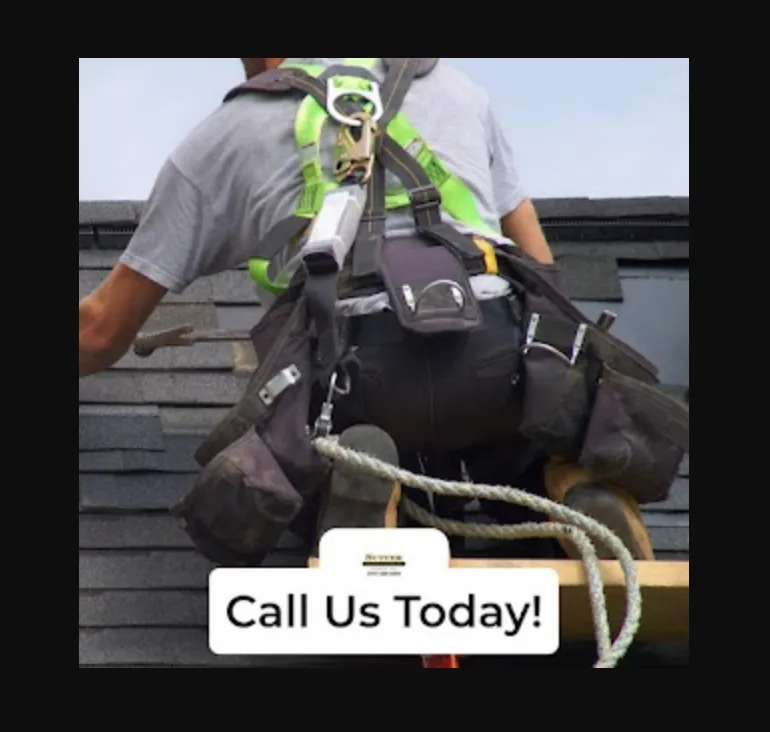
The structural integrity of a roof is critical for supporting solar panels. A roof that is not structurally sound can lead to safety hazards and potential damage to both the roof and the solar panels.
Why Is Structural Integrity Critical for Supporting Solar Panel Weight?
Solar panels can be heavy, and roofs must be able to support this additional weight without compromising safety. A thorough roof inspection can identify any weaknesses or areas that require reinforcement before installation. Sutter Roofing Systems offers comprehensive roof inspections to assess structural integrity and ensure that roofs are ready for solar panel installations.
How Does the Roof Inspection Process Determine Solar Compatibility?
The roof inspection process involves a detailed examination of the roof's condition, materials, and structural integrity. Inspectors will look for signs of damage, wear, and compliance with local building codes. This thorough assessment helps determine whether a roof is suitable for solar panel installation and identifies any necessary repairs or reinforcements.
How Can Homeowners Prepare for a Solar Compatibility Roof Inspection?
Homeowners can take several steps to prepare for a roof inspection focused on solar compatibility. First, they should schedule the inspection at a convenient time and ensure that the roof is accessible. Gathering any relevant documentation, such as previous inspection reports or maintenance records, can also be helpful. Understanding local regulations regarding solar installations can further streamline the process.
What Solar Energy Incentives and Permitting Are Available in Sonoma County for 2026?
In Sonoma County, various solar energy incentives and permitting requirements are in place to encourage the adoption of solar energy systems. Homeowners can benefit from local and state incentives that help offset installation costs.
Which Local and State Incentives Support Solar Panel Installation?
Several incentive programs are available for homeowners looking to install solar panels. These may include tax credits, rebates, and financing options that make solar energy more accessible. Homeowners should research eligibility criteria and application processes to take full advantage of these incentives.
What Are the Permitting Requirements for Solar Panels in Sonoma County?
Permitting requirements for solar panel installations in Sonoma County typically involve submitting plans for review and obtaining necessary approvals from local authorities. Homeowners should familiarize themselves with these requirements to ensure compliance and avoid delays in their solar projects.
How Should Homeowners Maintain Solar-Compatible Roofs and Understand Warranty Coverage?
Maintaining a roof that is compatible with solar panels is essential for ensuring the longevity of both the roof and the solar energy system. Regular inspections and maintenance can help identify potential issues before they become significant problems.
What Maintenance Practices Extend Roof and Solar Panel Lifespan?
Homeowners should engage in routine maintenance practices, such as cleaning gutters, inspecting for damage, and ensuring that solar panels are free from debris. These practices not only extend the lifespan of the roof and solar panels but also enhance overall energy efficiency.
What Warranty Options Protect Your Solar Panel and Roofing Investment?
Understanding warranty options is crucial for protecting investments in solar panels and roofing. Homeowners should inquire about material warranties, workmanship warranties, and any transferable warranties that may be available. This knowledge can provide peace of mind and financial protection in the event of issues arising from installation or material defects.
To learn more about Sutter Roofing Systems and their commitment to quality, visit their website.
Need a roof inspection or estimate?
Sonoma County's trusted roofing contractor since 1986 — free, no-pressure estimates.
Get a Free Estimate ›